Hantavirus in the News: What Homeowners Should Know
What is hantavirus?
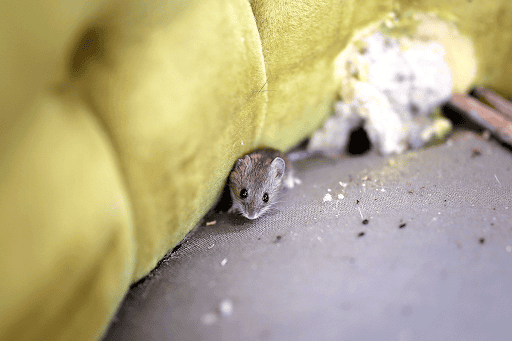
Hantavirus is a rare but potentially serious group of viruses primarily spread by rodents, especially deer mice in North America. People can become infected after breathing in tiny airborne particles contaminated with rodent urine, droppings, or saliva. Severe infections can lead to Hantavirus Pulmonary Syndrome (HPS), a dangerous respiratory illness. Early symptoms often resemble the flu before progressing into breathing difficulty and lung complications.
Why is hantavirus suddenly all over the news?
Recent headlines tied to suspected hantavirus cases connected to travel and confined environments pushed the virus back into public conversation. Rare diseases tend to do that. A few headlines and suddenly everyone is Googling mice.
At Clear Pest Pros, we always tell customers the same thing: awareness matters more than panic. Rodent activity in garages, crawlspaces, sheds, attics, and storage areas should never be brushed off, especially where droppings or nesting materials can quietly build up over time. Taking proactive steps to address rodent activity early can help reduce potential risks and give homeowners greater peace of mind.
How dangerous is hantavirus?
Hantavirus can be extremely serious. According to the CDC, HPS is a severe and potentially deadly disease affecting the lungs. Early symptoms typically appear one to eight weeks after exposure and include fatigue, fever, and muscle aches, particularly in the thighs, hips, back, and sometimes the shoulders. About half of all HPS patients also experience headaches, dizziness, chills, and abdominal symptoms such as nausea, vomiting, and abdominal pain. Four to ten days after this initial phase, late symptoms emerge, including coughing and shortness of breath as the lungs begin to fill with fluid. The CDC reports that 38 percent of people who develop these respiratory symptoms may die from the disease.
The important thing to understand is this: hantavirus is rare, but rodent contamination is not. That is where prevention matters.
How do people catch hantavirus?
The most common route is inhalation. When rodent droppings or urine dry out and become disturbed during sweeping, vacuuming, or cleanup, microscopic particles can become airborne and inhaled. Less commonly, transmission may occur through rodent bites or direct contact with contaminated materials.
That is why Clear Pest Pros strongly discourages homeowners from cleaning up these messes on their own in a contaminated attic or crawlspace. Professional rodent inspections help identify entry points, nesting areas, sanitation concerns, and long-term prevention opportunities before activity escalates.
Are certain rodents more associated with hantavirus?
Yes. In the United States, deer mice are considered the primary carrier species tied to hantavirus transmission. However, any rodent infestation should be taken seriously because rodents can spread this and other bacteria, allergens, and contamination throughout a structure.
Clear Pest Pros approaches rodent control with a complete strategy focused on monitoring, exclusion, sanitation recommendations, and targeted control methods. Simply addressing visible rodent activity, without identifying how they entered, rarely resolves the underlying problem for long.
What should homeowners do if they find rodent droppings?
The most important rule is this: do not dry sweep or vacuum contaminated areas. Doing so can disturb dried droppings and urine, sending microscopic particles into the air where they can be inhaled. This is one of the most common and preventable mistakes homeowners make.
If you choose to clean a small, limited area of contamination yourself, the CDC recommends the following steps:
- Ventilate the area first. Open windows and doors and allow the space to air out for at least 30 minutes before entering. Leave the area during ventilation.
- Wear protective gear. Put on rubber, latex, vinyl, or nitrile gloves before handling any contaminated material. For areas with heavier contamination, a properly fitted N95 respirator and eye protection are also recommended.
- Wet the material before touching it. Using a commercial disinfectant or a bleach solution. The CDC recommends one and a half cups of household bleach per gallon of water. Thoroughly spray or soak the droppings, urine, or nesting material. Allow the disinfectant to sit for at least five minutes before proceeding.
- Use paper towels, not a broom or vacuum. Pick up the saturated material with paper towels and place it directly into a plastic bag. Seal the bag and dispose of it in a covered outdoor trash container.
- Disinfect the surrounding area. After removing the material, disinfect the entire surface area, including any nearby flooring, shelving, or walls that may have been contaminated.
- Launder any exposed fabrics. Wash any bedding, clothing, or soft materials that may have been in the contaminated area with hot water and detergent.
- Wash your hands thoroughly. After removing your gloves, wash your hands with soap and water or use an alcohol-based hand sanitizer.
That said, we want to be direct: for anything beyond a very minor, isolated find, professional remediation is the safer course.
Attics, crawlspaces, garages, and storage areas that have had sustained rodent activity often involve a level of contamination, spread across insulation, structural materials, and hard-to-reach surfaces, that goes well beyond what any homeowner should reasonably attempt to manage alone. The risk of inadvertent exposure during a DIY cleanup in a heavily contaminated space is real.
We strongly encourage homeowners in that situation to seek professional help. Our goal is to make sure the job gets done right, not simply to generate a service call. If you do reach out to us, we will give you an honest assessment of what you are dealing with and whether professional intervention is warranted.
If you notice scratching sounds, droppings, gnaw marks, or nesting material, we are happy to help you build a clear, strategic rodent prevention plan designed to reduce both pest pressure and contamination risks or simply point you in the right direction if your situation calls for a different approach.
The information in this article is intended for general educational purposes only and does not constitute medical advice. Please consult a healthcare professional or your local public health authority for guidance specific to your situation.